The book SHE TRAVELS: Real Stories of Women Transformed Through Solo Travel is now available on Amazon and through book retailers!


Are you listening to the call of yourSoul?
That quiet whisper urging you to pause, to explore, to break free?
Whether you’re dreaming of a transformative solo journey or seeking the freedom of a digital nomad lifestyle, and you're ready to move through the fears that have held you back for too long…
Whether you wish to accelerate your evolution and embody the true essence of your soul in a fulfilled life,
you’re in the right place.
Where Silence Meets the Soul
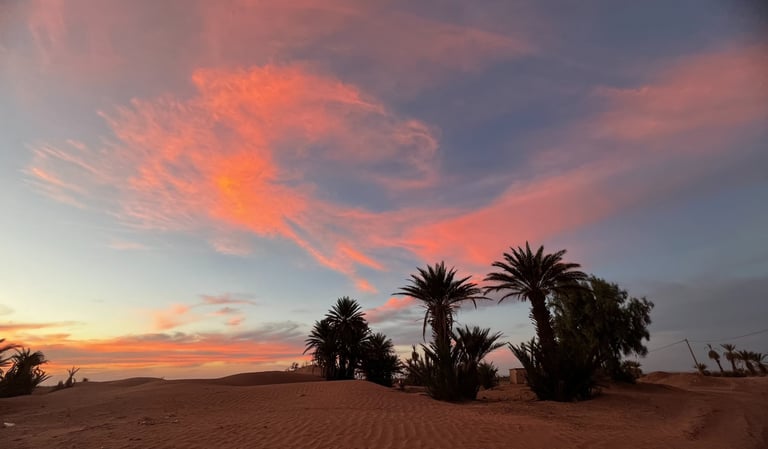
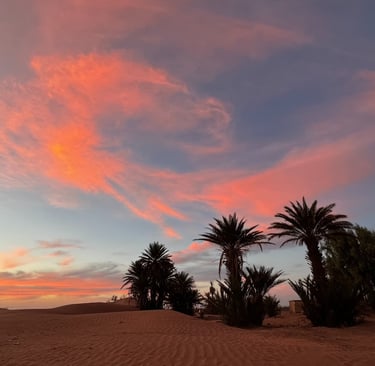
When reflection is no longer enough, lived experience becomes the path.
Step into one of the most legendary landscapes on earth — the Sahara desert — for 11 days of immersion, stillness, and a journey back to your true essence.
Connect to the Oasis Within
November 12 to 19, 2026, Morocco
Early bird pricing until June 30.
A Transformational Retreat in the Moroccan Desert

Ready to release what's been holding you back?
This free 15-minute guided meditation clears the way — so you can hear what your soul is actually asking for.
Transformational Coaching
For the souls ready to release conditionning to live in their highest alignment
Transformative Solo Travel
Nomad Lifestyle
Soul Alignment
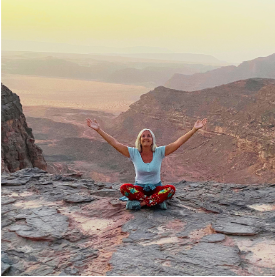


For the souls seeking a location-independent life they love
For the souls dreaming of a journey of growth, healing and self-discovery
Join me on a free Clarity Call to align with your next step!
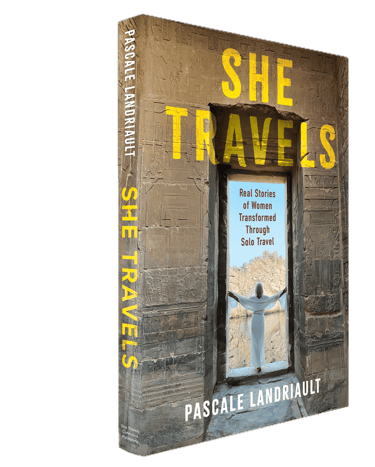
She TravelsBook
Through the powerful, real-life journeys of women navigating change, healing old wounds, and embracing their truth, this book reveals how solo travel can shift your perspective, open your heart, and awaken your soul.
and get your copy!
About me
My quest started at an early age when I was asking questions about my existence on earth. Who am I and why am I here? The quest was unfruitful for many years as I looked for these answers outside of myself and created a life that was aligned on my conditioning and others expectations and not on my soul's longing. Until my heart and soul could no longer be silenced. And so the remembrance journey began ...
Today I am here to help you remember and be who you are, to embody your soul's essence and your multi-dimensionality, to expand your consciousness and open your heart so that you can attract and create a joyful and meaningful life, in full sovereignty and truth.
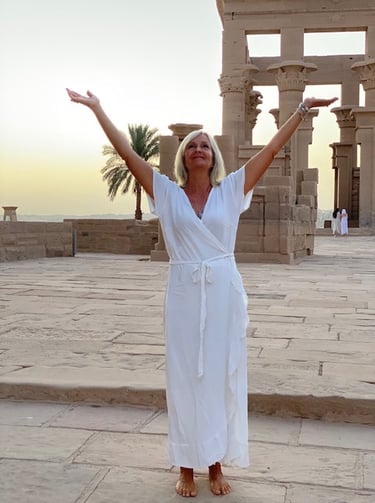
Pascale LandriauLt
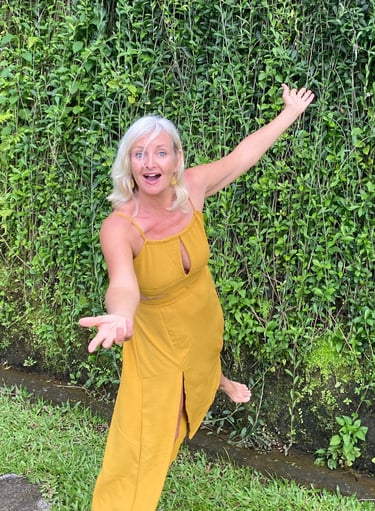
Testimonials
"This program helped me to process and release “negative emotions” and allowed me to recognize and release “subconscious patterns” that had been blocking me and holding me back.
Today I feel that my inner peace and calm have been restored and I live each day from a more balanced and aligned place."
Nancy Picard
Mélanie talbot
"Thank you a thousand times. Truly — you completely changed my life.
I’m so grateful that life placed you on my path. This has been a limitless transformation, something you have to see to believe, to experience to understand.
I’m fully in it now… and wow.!This is what real, profound alignment feels like."


ELIZABETH KWONG
"This retreat was truly a once-in-a-lifetime experience. where I embarked on an inner journey of self-discovery, exploring my emotions and reconnecting with myself.
It provided me with deeper insights into truly releasing stress and unloading emotional baggage, enriching my personal and professional life in unexpected ways."
Soul Alignment Program
Bali Retreat
Innerdance Experience
